


January 3, 2012
Research Illuminates Credit Card Habit
It’s 2012, so kiss the money spent last month goodbye. But if any skeptics out there still need confirmation, here it is:
Academic research shows that compulsive purchases are more likely with credit cards, which put distance, in space and time, between the act of buying the item and paying for it.
“The pain of paying is somewhat dulled” by using plastic, Priya Raghubir at New York University and Joydeep Srivastava at the University of Maryland, show in their research paper titled, “Monopoly Money: The Effect of Payment Coupling and Form on Spending Behavior.”
If reducing your use of credit cards – even converting to a cash budget – is a New Year’s resolution, click “learn more” at the bottom of this post to see six previous articles on Squared Away about credit card behavior and psychology. They might help readers better understand a bad habit many of us share. …Learn More

December 22, 2011
2011 Recap
I would like to thank everyone for reading Squared Away in its inaugural year. I’ve identified the three of the most popular blog posts that have run this year. They are:
My next blog post will be on Tuesday, January 3, 2012!Learn More
December 20, 2011
Cheatin’ Art Exhibited at Duke
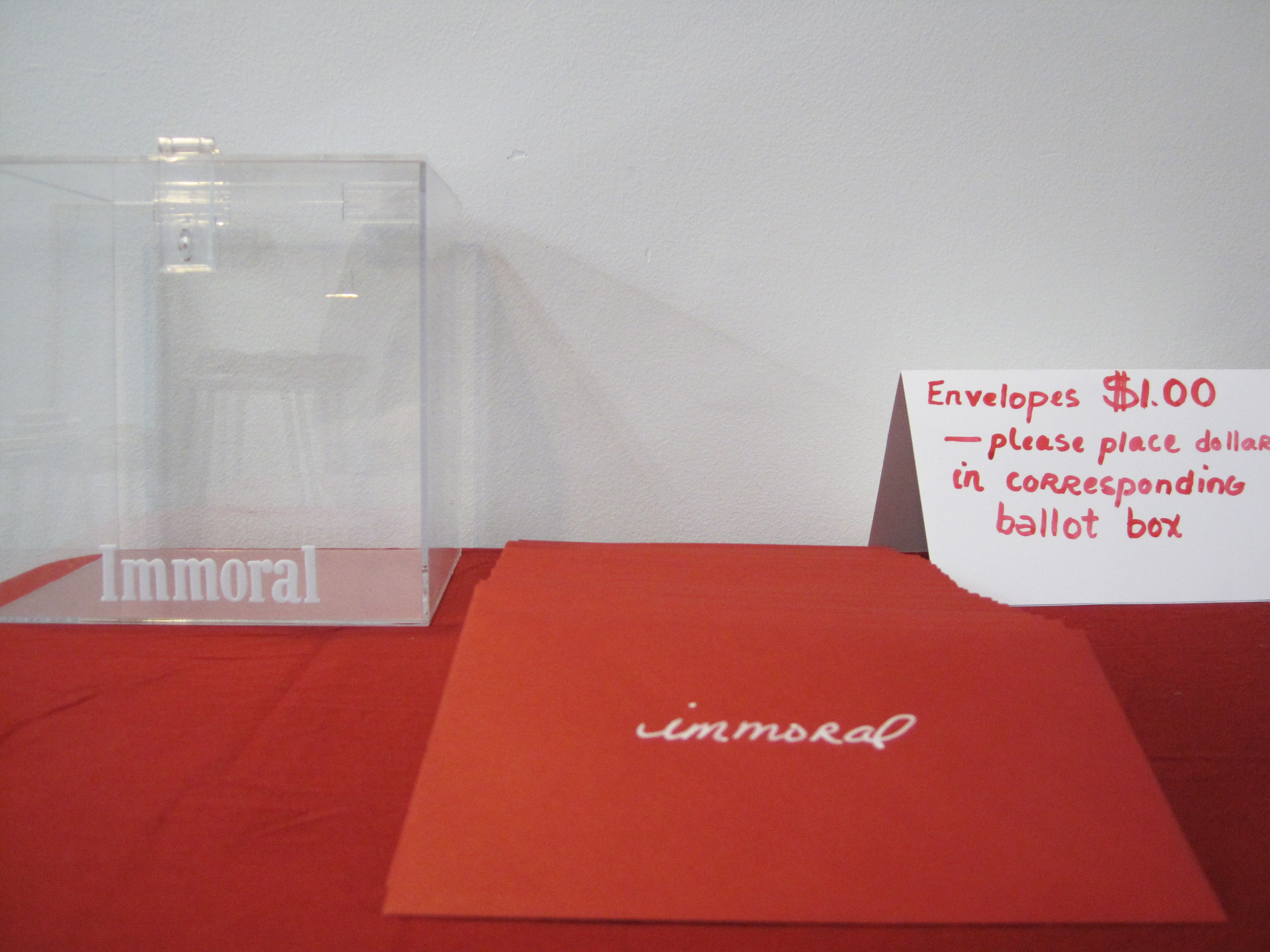 Money and cheating go hand in hand – now add art to the mix.
An art exhibit was inspired in part by the research that found a “robust relationship between creativity and dishonesty” by Francesca Gino at the Harvard Business School and Dan Ariely of Duke University, a behavioral economist who founded Duke’s Center for Advanced Hindsight, the location of the exhibit.
What does the art say to you – about financial planning, the scammers who slink among us, or our money culture? Squared Away picked pieces by two of the exhibit’s 22 artists, who are from North Carolina, Israel and elsewhere. The artists’ explanations are included with their work: …
Learn More

December 16, 2011
Money Games Are Great Gifts for Kids
The Boston Globe is providing a cool list of holiday toys for your children, to help them learn early and often about handling money – while it can still make a difference. In July, Squared Away wrote about another idea that would make a fine gift – call it “not your average piggy bank.” A May blog post was about a great book to teach children about what bank accounts are all about.Learn More

December 15, 2011
Parents: College Saving Not Optional
New parents: you have been warned. Mainstream media have rolled out one horror story after another about college graduates and their parents burdened with $40,000, $50,000, even $100,000 in student loans.
Not everyone plans to pay for their children’s education. But those who do need to think early about saving, because college has become extremely expensive – tuition costs are rising much faster than inflation.
The good news is that figuring how much to save for college is not nearly as complex as planning for retirement. While retirement strategies fill hundreds of books and fuel vigorous academic debates, new parents can be reasonably certain about one major factor in calculating how much they’ll need: when the child will attend – age 18.
“There are a lot fewer moving parts” to calculating college costs, said New Orleans financial planner H. Jude Boudreaux, who has been thinking about this issue more since his daughter, Lucy, was born about 15 months ago. …Learn More
December 13, 2011
Jobless Benefits Delay Disability Filings

Photo by John E. Allen, Inc. Source: Franklin D. Roosevelt Presidential Library and Museum.
In New York, prosecutors recently charged 11 people with illegally collecting disability checks – some were caught playing tennis or golf or shoveling snow.
Boston’s mayor called “disappointing” a jury acquittal last summer of a hulky firefighter who was filmed posing during bodybuilding competitions – while on city disability.
Sensational news stories add to the stigma around people who collect disability for legitimate health reasons. New research on the Social Security Disability Insurance program provides insight into what really motivates people to file. There are two opposing ways to interpret these interesting findings, but more about that later.
Matt Rutledge, my colleague at the Center for Retirement Research, specifically researched disability filings by people who are unemployed in a new study for the Retirement Research Consortium. His work is particularly relevant at a time when the duration of joblessness has soared. Applications for disability typically increase in economic downturns, but they reached record highs in response to the Great Recession. …Learn More

December 8, 2011
Calculate Holiday Budget: If You Dare
Take a hard look at your holiday spending. A credit counseling agency in Virginia says it shouldn’t exceed 1.5 percent of your annual income.
How’s your budget doing? Click here to use the holiday planning calculator, courtesy of Clearpoint Credit Counseling Solutions, a non-profit agency in Richmond, Virginia.
The budget tells you how much you can spend and then divvies it up among gifts, parties, travel, food, and donations. There sure is a lot to spend your money on!
About Squared Away

Learn more about our blog and its writer, Kimberly Blanton, a former Boston Globe reporter.
