

Posts Tagged "arthritis"
April 7, 2020
Our Parents Were Healthier at Ages 54-60
Baby boomers aren’t as healthy as their parents were at the same age.
This sobering finding comes out of a RAND study that took a series of snapshots over a 24-year period of the health status of Americans when they were between the ages of 54 and 60.
The researchers found that overall health has deteriorated in this age group, and they identified the specific conditions that are getting worse, including diabetes, pain levels, and difficulty performing routine daily activities.
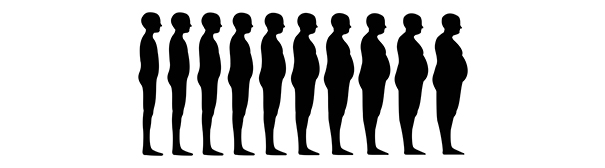
Obesity is an overarching problem: the share of people in this age group with class II obesity, which puts them at very high risk of diabetes, tripled to 15 percent between 1992 and 2016.
In addition to declining health, the study for the Retirement and Disability Research Consortium uncovered strong evidence of growing health disparities among 54 to 60-year-olds: the poorest people are getting sicker faster than people with more wealth.
The increase in women’s pain levels has been starkest over the past 24 years. The wealthiest women have seen an increase of 6 percentage points in the share experiencing moderate to severe pain from conditions like joint or back pain. But the poorest women saw a 21-point leap. The disparity for men was also large: up 7 points for the wealthiest men versus 15 points for the poorest men.
The bottom line: today’s 54 to 60-year-olds are not as healthy as their parents were, and the study suggests that the disparities between rich and poor will continue to grow.
To read this study, authored by Peter Hudomiet, Michael D. Hurd, and Susann Rohwedder, see “Trends in Health and Mortality in the United States.”Learn More

March 10, 2020
Hypertension, Arthritis? Keep Working!
The growing list of effective medications available for managing a variety of chronic conditions seem to be changing the way we work and retire.
For example, older workers at one company who suffer from arthritis and high blood pressure – two relatively easy conditions to treat – are able to keep working just like their healthier co-workers, according to a new study from a research consortium funded by the U.S. Social Security Administration.
In fact, the two specific groups in this study – employees with hypertension or a combination of arthritis and hypertension – actually worked an average of four to 10 months longer, respectively, than the healthy workers. This counterintuitive finding might owe to the fact that people with chronic conditions are motivated to work longer to maintain their employer health insurance. Another possibility is that, because of their condition, they pay closer attention to their overall health and take better care of themselves.
The researchers, who are from Stanford University’s Medical School and Princeton University, had the advantage of access to nearly 4,700 employees’ detailed medical records, which allowed them to track how their health progressed over an 18-year period, until they retired.
A limitation of the study is that the employees aren’t representative of the general working population. They were mainly white men employed in Alcoa smelters and fabrication plants around the country. And because it was very common for them to join the company in their 20s and qualify for a 30-year pension, their average retirement age was only 58.
But older workers in a wide variety of professions are reckoning with the need to work longer than they might have planned so they can afford to retire.
A chronic medical condition doesn’t have to be a barrier to working as long – or even longer – than everyone else. …Learn More
October 24, 2019
Part D Cost for Brand Name Drugs Rising
Reforms to Medicare Part D under the Affordable Care Act brought significant relief to retirees by reducing the share of medication costs they must pay out of their own pockets.
But with the healthcare reform now nearly a decade old, other developments have taken over that will drive up drug costs for the most vulnerable retirees – the biggest users of expensive brand name drugs. Although only a few million people will be affected, they are already saddled with the highest spending burden.
This vulnerable group could get some help from Congress. There is bipartisan support for placing an absolute limit on how much Part D policyholders must pay in total for their prescriptions, said Juliette Cubanski, associate director of the Medicare policy program at the Kaiser Family Foundation.
“That’s a positive development,” she said, “but there are also several areas of disagreement in the legislation being considered on the House and Senate sides.”
Under the Affordable Care Act (ACA), retirees are required to pay 25 percent of their total drug costs up to the annual threshold that qualifies them for catastrophic coverage – this dollar threshold is the total of their own payments plus the price discounts from manufacturers of brand name drugs. The upshot in 2020 for retirees is that those with the highest need could spend about $375 more out of their own pockets before they enter Part D’s less-onerous catastrophic coverage phase, according to a Kaiser analysis. And that’s just the increase for next year – their outlays will rise over the next decade. 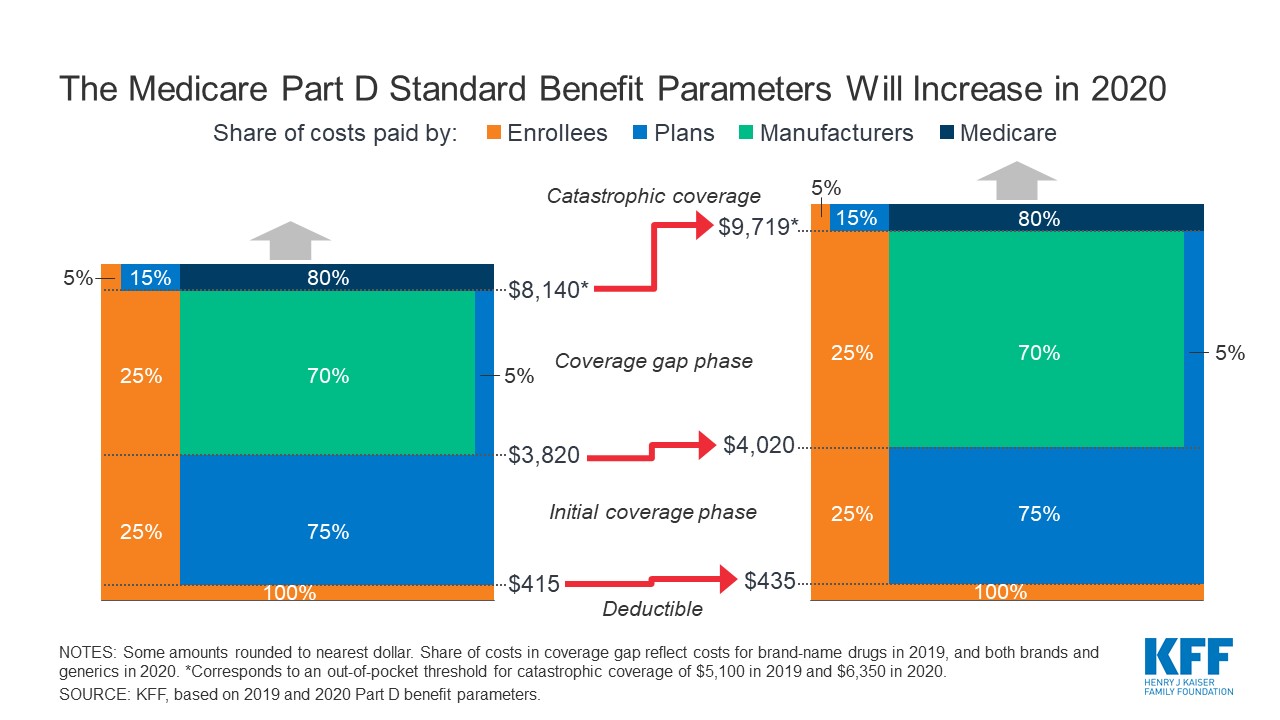
Once retirees enter the catastrophic phase, they are protected, because Medicare begins picking up the vast majority of the tab. But out-of-pocket costs are rising because the ACA’s controls on the spending threshold they must cross to qualify for catastrophic coverage have ended. …Learn More
About Squared Away

Learn more about our blog and its writer, Kimberly Blanton, a former Boston Globe reporter.
