

Posts Tagged "healthcare"

March 22, 2018
Creating Paths to Latino-owned Business
Rank-and-file workers’ wages have barely gone up since the 2008-09 recession, despite a U.S. job market firing on all cylinders for several years.
Latinos struggle more than most. Take restaurant workers. They are overrepresented in an industry that expanded rapidly post-recession, putting hundreds of thousands of cooks, waiters, and busboys to work. But “those are some of the worst jobs” says Carmen Rojas, who heads The Workers Lab in Oakland, which supports small entrepreneurs.
Food-service and other low-paying jobs not only lack benefits and security but typically don’t invest heavily in training and don’t provide upward mobility, “proving what it means to debase the promise of work away from opportunity and toward survival,” said Marie Mora of the University of Texas in the Rio Grande Valley.
She and Rojas were panelists at a recent Aspen Institute event to discuss Latino economic challenges and solutions. The focus was on new avenues to increasing their presence among small businesses, which are a good fit for their particular interests, needs, and culture.
There are, of course, extraordinary models of success in the Latino community. Maria Rios emigrated from El Salvador as a teenager and has the gumption of a character in a 19th century Horatio Alger novel. In the early years of her multi-million-dollar recycling and waste company in Houston, she drummed up commercial clients by showing up and pointing out their overflowing dumpsters. “When I see trash, I see opportunity!” she says on Nation Waste Inc.’s website.
“I feel that if I did it, anybody can do it,” she told the other panelists and audience. …Learn More

March 15, 2018
Boomers are Longing to Retire Overseas
Australia, Cambodia, Laos, Thailand, Spain, Portugal, Scotland, Ecuador, Belize, Nicaragua – our readers living all over the world, or planning to, shared their experiences in comments posted to a February blog, “The Ultimate Travel: Retiring Abroad.”
The article profiled a Houston couple on the verge of retiring who are systematically exploring cities that interest them in Panama and Costa Rica. Few blogs have elicited so many comments – no doubt because thoughts of retiring overseas are more fun than worrying about whether the 401(k) account has enough money in it.
The success of retiree Dennis Desmond and his wife’s relocation to Australia makes it hard to resist temptation. “The weather here is incredible, the people are fantastically friendly, and the scenery is wonderful,” Desmond said in his comment.
But the picture isn’t all roses. William Pederson wrote in his comment that he knows five couples who’ve moved overseas and returned stateside. “You get what you pay for,” he said.
Here’s more of the fun stuff, and a few downsides, from our readers: …Learn More

February 27, 2018
Geriatric Help Eases Family Discord
Family harmony and your parent’s desires are the top priorities during their final years of life – not long-simmering sibling arguments or what you may feel is best for him or her.
That’s why it’s critical for the entire family to gather around parents for caring and gentle conversations before a crisis occurs, such as a medical emergency or sudden cognitive decline.
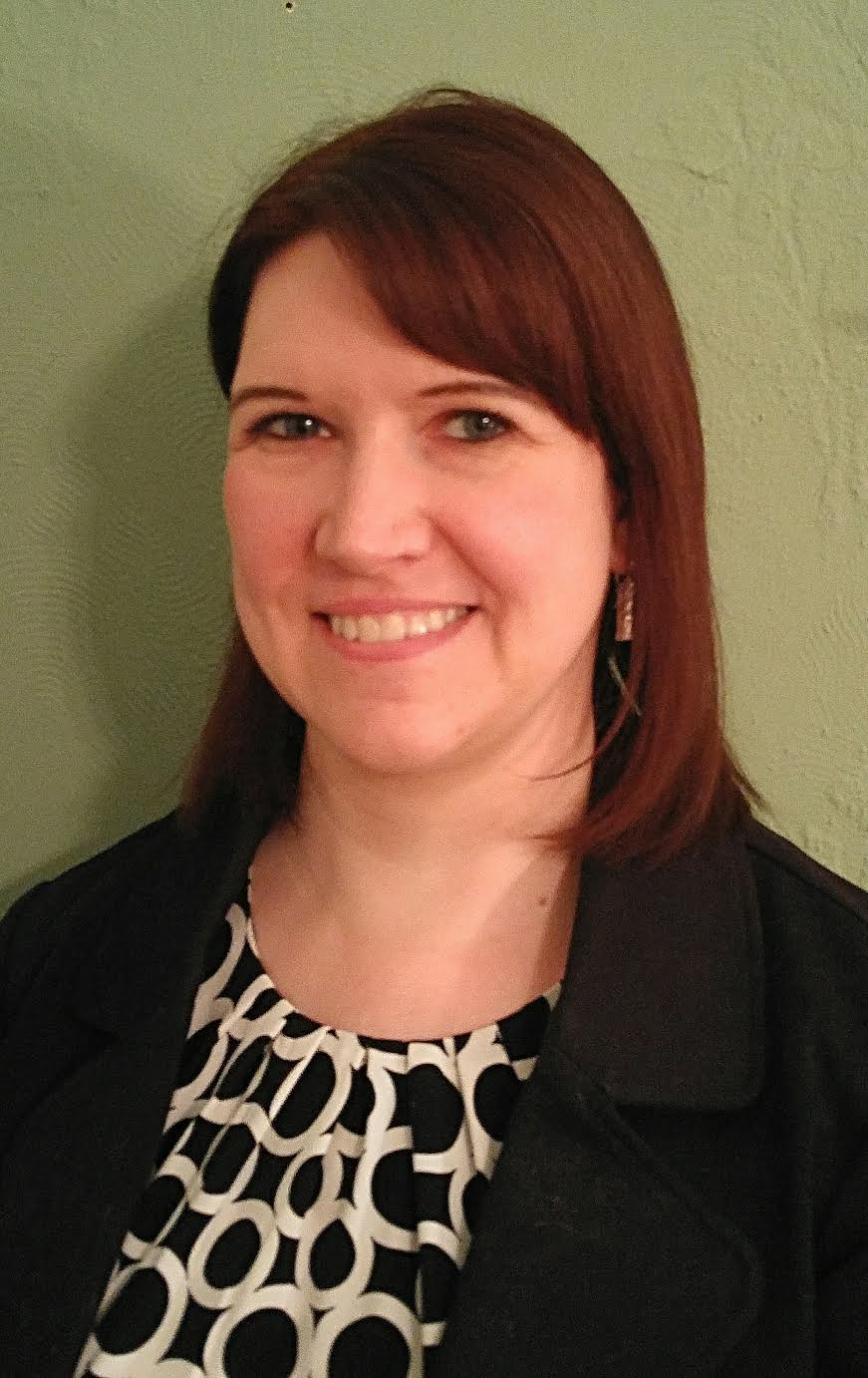
Jennifer B. Warkentin
“These are the kinds of conversations that need to happen while a parent is still able to discuss the options and make their wishes clear,” said Jennifer B. Warkentin, a clinical psychologist specializing in geriatric care.
The Conversation.
Numerous conversations will actually be required to sort out myriad potential needs as a parent continues to age. The issues are both simple and complicated, from contacting Meals on Wheels and installing a shower chair to putting parents’ financial affairs in order, finding a suitable home health aide, and preparing legal documents.
Some parents are eager to have this conversation so they can get things squared away. More often, however, the conversations are tricky, because they make parents uncomfortable with a perceived “role reversal,” said Warkentin, who works primarily with elderly people in skilled nursing facilities in Boston’s western suburbs. She also has clients in independent and assisted living facilities. …Learn More
February 22, 2018
What’s a Geriatric Care Manager Anyway?
Staging your parent’s 90th birthday party, accompanying him or her to a doctor’s appointment, or finding the best long-term care facility for the right price – geriatric care managers do all this and much more.
Geriatric care managers come into the profession with expertise ranging from gerontology and nursing to social work and psychology, and they bring a unique perspective to caring for the elderly. Their first loyalty is to your parent and her well-being, though they want to work closely with everyone involved – parent and adult children – to meet the parent’s wishes.
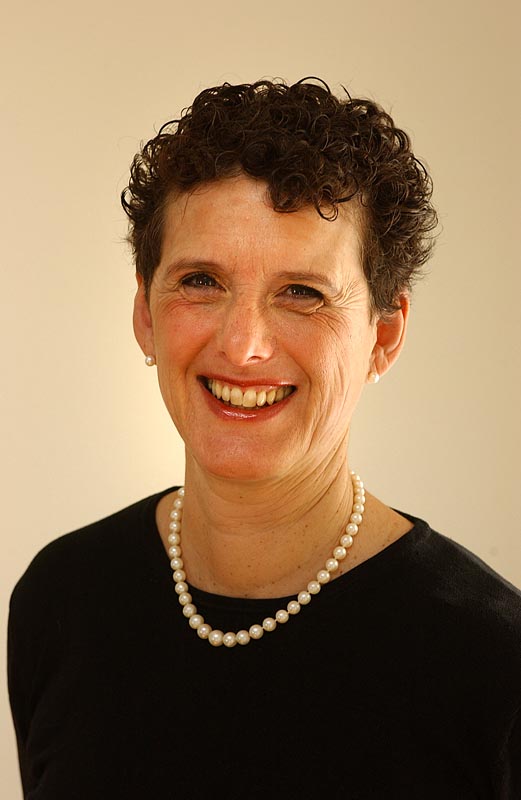
Suzanne Modigliani
Suzanne Modigliani, an aging life care specialist near Boston, handles “all spheres of an individual’s life – physical, cognitive social, emotional, financial, community and family.” She’ll even make referrals to geriatric care managers for a parent living in a different city.
An elderly person’s top choice for a caregiver is, logically, their spouse – daughters are typically next. And credentialed geriatric care managers are not cheap: they charge anywhere from $100 to $200 per hour, depending in part on an area’s cost of living – hourly charges can be $400 in Manhattan.
So how do adult children know if their parent could benefit from having a geriatric care manager? Modigliani advises them to be on the lookout for unusual behaviors such as growing difficulty with routine financial matters that the parent has always handled, or a bare refrigerator at mom’s house during holiday gatherings.
Unfortunately, it’s often a medical or other crisis that suddenly alerts siblings to problems that have been developing for a while. Waiting until a crisis, when tensions are high, is usually the worst time to deal with emotional issues – including finding a good care manager. Geriatric care managers have experience and can help smooth over these situations. …Learn More
February 15, 2018
The Ultimate in Travel: Retiring Abroad
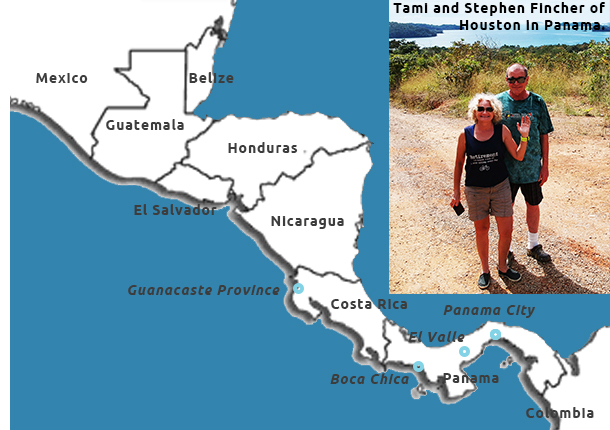
Tami Fincher dives into projects head first. Two years into a 5-year plan to retire early in Central America, her short list – so far – is Boca Chica and El Valle de Antón, in Panama, and Guanacaste Province, in northern Costa Rica.
She and husband Stephen Fincher are making their plans to join the growing number of Americans-turned-expatriate retirees. In 2016, more than 603,200 Social Security checks were mailed to retirees, their spouses and widows living abroad. They are moving as much for the adventure as for the lower cost many countries offer.
An exotic retirement isn’t for everyone. Even if they could save on living costs, people who’ve never been keen on international travel might prefer to remain close to home and grandchildren. But the baby boomer wave is pushing up the number of U.S. retirees living abroad – by 11 percent in five years, according to the U.S. Social Security Administration, which tracks its pension checks sent overseas. Ex-pat’s favorite countries include Japan, Mexico, France, Thailand, and Colombia. (More are listed on the next page.)
To assess the pros and cons of Costa Rica vs. Panama, the Finchers made their first exploratory trips, to Costa Rica last June for their 20th anniversary and to Panama over the New Year’s holiday. If Tami, age 53, has her way, they’ll retire in about three years and sell their Houston home to relocate. …Learn More
February 6, 2018
Health Coverage Varies Widely by State
When it comes to state residents’ health insurance coverage, Utah and New Mexico are polar opposites.
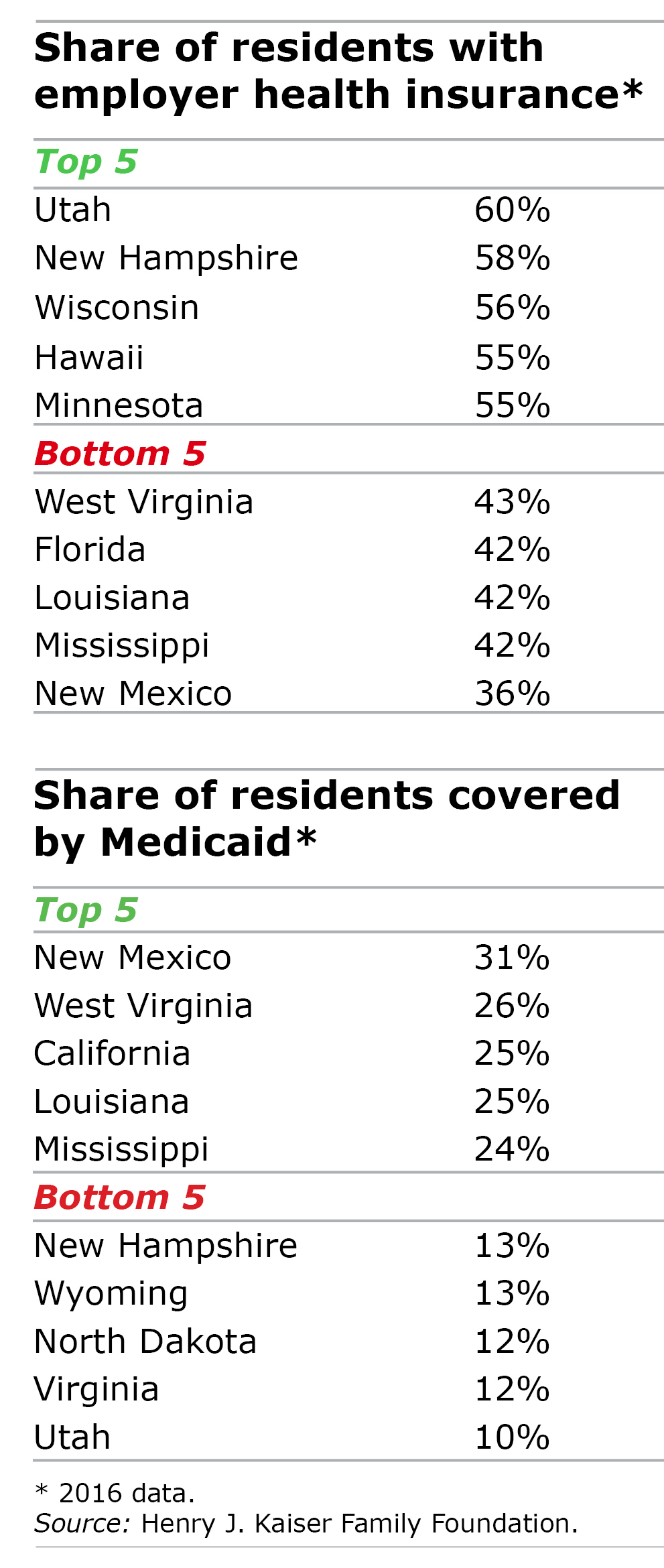 Sixty percent of Utah residents are covered at work – the most nationwide. New Mexico employers cover only 36 percent – the lowest coverage rate.
It follows that their Medicaid populations also differ. In Utah, the federal-state health insurance program covers the nation’s smallest share (10 percent) of poor and low-income workers. New Mexico’s Medicaid population is triple that (31 percent of residents), and its poverty rate is among the highest nationwide.
“Where you live can play an important role in what coverage options are available to you and how affordable they are,” said Rachel Garfield, the Henry J. Kaiser Family Foundation’s senior researcher and associate director of its Medicaid and uninsured program. The Kaiser data are from 2016.
The factors driving the two indicators – employer vs. Medicaid coverage – are intertwined. A larger presence of big, successful companies ensures more employer coverage, raising the standard of living and reducing the need for federal aid. These are, in turn, influenced by other cross-currents in each state, Garfield said: the nature of its industry, whether retail, industrial, high-tech, or agricultural; population demographics, such as the number of immigrants; whether the state expanded Medicaid eligibility under the Affordable Care Act (ACA); and the ebbs and flows of regional recessions and recoveries.
Take Utah. Despite being a primarily rural state with its “Mighty Five” national parks, it is chock full of major employers. Utah’s three largest have 20,000-plus workers each: Intermountain Healthcare, the University of Utah, and state government. Many more employ at least 5,000. Utah’s relatively slim Medicaid population is no doubt influenced by both its employer base and the state’s decision not to participate in the ACA’s Medicaid expansion, which increased the program’s income limits to make more workers eligible. …Learn More
February 1, 2018
My Hillbilly Roots
J.D. Vance’s rural Kentucky roots, described in his book, “Hillbilly Elegy,” differ from my father’s family in southern Indiana in one important way. Vance’s violent, angry mother was a substance abuser with a trail of failed relationships in her wake. Vance carries the childhood scars. My dad’s family was a bunch of kind, reticent, teetotaling farmers.

Alvin and Lena Belle Blanton and sons Gerald and Leland, 1966.
But the similarities between our families struck me too – Vance called his grandfather Blanton “Papaw,” which I’d always thought was unique to my own Papaw Blanton but, I now know, is an endearment. And believe me, the corn fields and hills of southern Indiana and contiguous Kentucky are more southern than Midwestern. My grandma’s fried chicken was heaven.
The backdrop for Vance’s hillbilly stories emerges front and center in my own take on family: I look at rural poverty through a socioeconomic lens.
Vance, an acclaimed writer and Silicon Valley investment banker, “got out” via the Marine Corps, Ohio State University and Yale Law School. “To move up,” he writes, “was to move on.” With sheer determination – supported by his tough, caring Mamaw – he overcame long odds, childhood stress-eating, and psychological retreat from a conflict-filled home. His Yale scholarship wasn’t earned on grades but because “I was one of the poorest kids in the school.”
To be clear, I do not see “getting out” as pejorative. Nor does “getting out” mean getting away from family. Rural people relocate in search of better job opportunities than what is available in depressed areas with eerily quiet “downtowns” of struggling or abandoned establishments pushed out of town by big-box retailers like WalMart and fast-food joints. Getting out is code for earning a decent living, buying a modest house, having health insurance, and being able to retire. In short, capturing the American Dream.
In my family, the strategy of getting out worked for some but not for others. Please bear with me through my generational story.
My late father, Leland Blanton, left home – Jasonville, Indiana, population 2,147 – so that my two brothers and I didn’t have to. His father – Papaw – owned a small-town gas station and, due to childhood polio, walked with a cane. A midwife helped my father’s true-grit mother deliver him into a three-room farmhouse with an outhouse. Twenty years later, his ticket out was a high test score that paved the way to becoming a hotshot pilot in the U.S. Air Force in the 1950s and 1960s. Greenland, Saudi Arabia, Morocco, Greece, Germany, Bangkok, Saigon, Turkey – he flew to every corner of the globe. We all lived nearly three years outside Tokyo. …Learn More
About Squared Away

Learn more about our blog and its writer, Kimberly Blanton, a former Boston Globe reporter.
